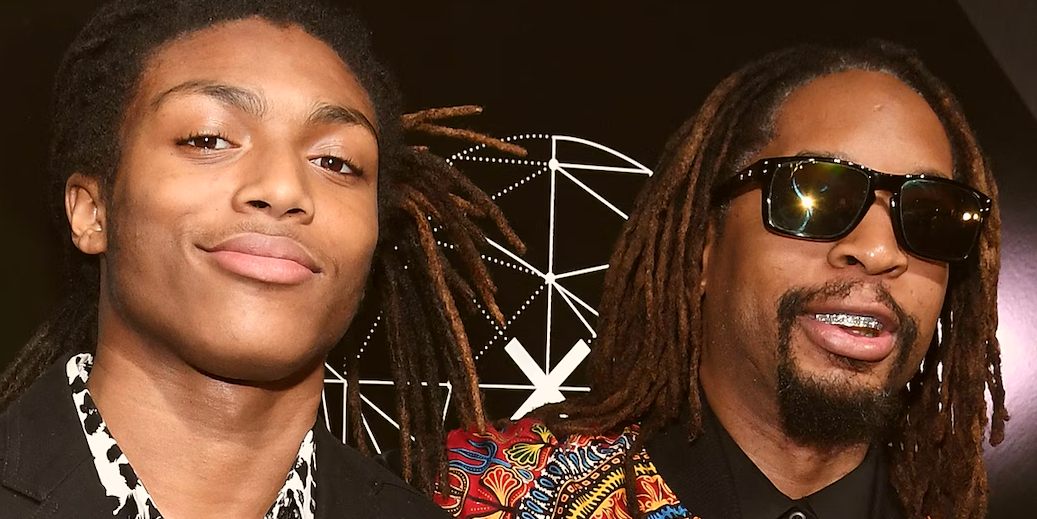
Lil Jon’s son is Nathan Lindsey Smith Jr., professionally known as DJ Young Slade. Born in 1998, he’s a 26-year-old DJ and music producer who graduated from Georgia State University and pursues electronic music independently while building his own identity separate from his father’s legendary crunk music legacy.
The curiosity around celebrity children often centers on whether they’ll follow their parents’ footsteps or forge entirely new paths. For Nathan, the answer sits somewhere in between—he’s chosen music like his father, but with a completely different sound, approach, and strategy that reflects his generation’s relationship with the entertainment industry.
Who Is Nathan Lindsey Smith Jr.?
Nathan Lindsey Smith Jr. is the only son of Grammy Award-winning producer and rapper Lil Jon (born Jonathan Smith) and his wife Nicole Smith. Unlike many celebrity offspring who either fully embrace or completely reject their family legacy, Nathan has found a middle ground that allows him to honor his roots while establishing independence.
His stage name, DJ Young Slade, represents this balance. The “DJ” speaks to his technical focus, “Young” acknowledges his generation, and “Slade” creates distance from the immediate association with “Lil Jon”—giving him room to develop his own artistic identity without living entirely in his father’s shadow.
Growing up in Atlanta, Georgia, Nathan had front-row access to one of hip-hop’s most transformative eras. His father helped pioneer crunk music in the late 1990s and early 2000s, producing hits that defined a generation. But rather than viewing this as a blueprint to copy, Nathan saw it as a foundation to build upon differently.
Nathan Lindsey Smith Jr Bio
- Full Name: Nathan Lindsey Smith Jr.
- Stage Name: DJ Young Slade
- Born: 1998 (Age 26)
- Parents: Lil Jon (Jonathan Smith) and Nicole Smith
- Education: Georgia State University, Atlanta (Graduate)
- Profession: DJ, Music Producer, Entrepreneur
- Genre: Electronic Dance Music (EDM), Trap, Hybrid Electronic
- Hometown: Atlanta, Georgia
- Active Platforms: Instagram, SoundCloud, Spotify, YouTube, Twitter/X
- Known For: Independent music career, second-generation artist, educational achievement
Nathan Smith Jr. (DJ Young Slade) Net Worth
While Nathan Lindsey Smith Jr.’s exact net worth has not been publicly disclosed, estimates suggest he has built modest independent wealth through his music career and business ventures. Unlike his father Lil Jon, whose net worth is estimated at $30 million, Nathan is still in the early stages of his career.
Income Sources:
- DJ Performances: Club bookings, private events, and selective festival appearances
- Music Production: Beat creation and production work for other artists
- Streaming Revenue: Income from Spotify, SoundCloud, and other platforms
- Brand Partnerships: Potential collaborations with music equipment and lifestyle brands
- Digital Content: YouTube monetization and social media partnerships
- Family Support: Benefits from established family wealth while building independence
Educationa: (Georgia State University)
One of the most significant ways Nathan differs from typical celebrity children is his commitment to formal education. He graduated from Georgia State University in Atlanta, completing his degree before fully committing to his music career.
This decision reflects values instilled by both parents. Lil Jon and Nicole Smith maintained a stable household despite the chaos of fame, emphasizing the importance of having options and building skills that extend beyond entertainment connections.
The college experience provided Nathan with several advantages that a purely nepotistic entry into music wouldn’t have offered. He developed business acumen essential for navigating contracts, partnerships, and the complex financial landscape of modern music.
He built a network of peers outside the industry bubble, giving him perspectives that many second-generation entertainers lack. Perhaps most importantly, he gained credibility that helps deflect accusations of riding coattails—he put in the work academically before asking to be taken seriously professionally.
Georgia State’s location in Atlanta also meant Nathan could maintain proximity to the music scene while studying, attending industry events, and quietly observing how the business operates without the pressure of immediate performance.
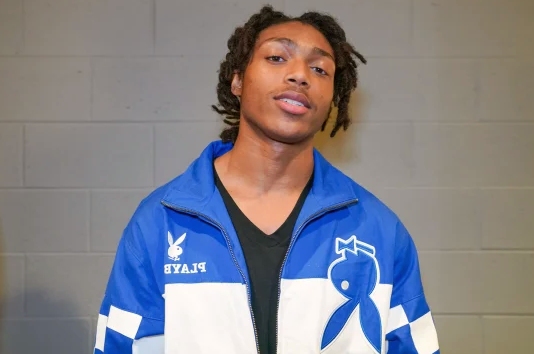
Music Career as DJ Young Slade
Nathan’s professional identity centers on DJing and music production, but his genre choices deliberately diverge from his father’s crunk roots. While Lil Jon became synonymous with aggressive, bass-heavy Southern hip-hop characterized by shouted hooks and party anthems, DJ Young Slade gravitates toward electronic dance music, trap influences, and hybrid genre experimentation.
This isn’t rejection—it’s evolution. The music industry Nathan entered in the 2020s operates fundamentally differently from the one his father conquered. Streaming has replaced album sales, social media influence matters as much as radio play, and genre boundaries have become increasingly fluid. EDM and electronic production skills position Nathan at the intersection of multiple revenue streams: live DJ performances, production work for other artists, sync licensing opportunities, and digital content creation.
His technical approach also differs. Modern DJing requires proficiency with digital controllers, production software like Ableton or FL Studio, and an understanding of how tracks will perform both in clubs and through streaming platforms. Nathan’s sets blend seamless transitions, live remixing, and crowd interaction—skills honed through Atlanta’s competitive DJ scene, where legacy names don’t automatically guarantee bookings.
The performances themselves remain relatively low-key compared to his father’s arena shows. Nathan books club gigs, private events, and selective appearances that allow him to develop his craft without the intense scrutiny that comes with massive visibility. This gradual approach builds authentic fanbase loyalty rather than flash-in-the-pan curiosity.
Father-Son Dynamic
The relationship between Lil Jon and Nathan appears characterized by mutual respect and clear boundaries. Public interactions show warmth and support, but notably, Lil Jon hasn’t forced collaboration or pushed Nathan into the spotlight prematurely.
This restraint is significant. Many celebrity parents either completely absent themselves from their children’s careers or become overbearing managers who stifle independence. Lil Jon seems to have found a middle path—available for mentorship when Nathan seeks it, but allowing his son to make mistakes, build relationships, and establish credibility on his own terms.
Nathan has acknowledged learning crucial lessons from watching his father navigate the industry. Work ethic stands paramount Lil Jon’s legendary studio sessions and commitment to craft demonstrated that talent alone doesn’t sustain careers. Business savvy matters equally; Nathan observed contract negotiations, brand partnerships, and the importance of owning your masters when possible.
But perhaps the most valuable lesson was authenticity. Lil Jon succeeded by being genuinely himself, not by copying what worked for others. Nathan applies this by resisting pressure to simply remake crunk music or capitalize on nostalgia. He’s building something that reflects who he actually is, not who people expect him to be based on his last name.
The separate professional identities also protect the relationship. When your work doesn’t constantly invite comparison to your parent’s legacy, family gatherings can remain about family rather than industry shop talk and measuring success metrics.
Social Media and Public Presence
Nathan maintains active social media presence across Instagram, Twitter, SoundCloud, and Spotify, but his approach differs from influencer culture’s constant oversharing. His feeds balance professional updates new mixes, performance announcements, production work with selective personal moments that humanize him without sacrificing privacy.
This strategic visibility serves multiple purposes. It builds his brand independently, allowing fans to discover DJ Young Slade based on his work rather than exclusively through his father’s audience. It demonstrates he’s actively working, countering skepticism that he’s simply living off family wealth. And it creates direct fan relationships that bypass traditional industry gatekeepers.
The content strategy leans toward quality over quantity. Rather than posting multiple times daily to chase algorithm favor, Nathan shares when he has something genuinely worth communicating. Performance videos showcase his technical skills. Studio shots provide behind-the-scenes glimpses without revealing too much. Occasional family photos acknowledge his background without making it his entire identity.
Engagement with followers appears genuine rather than performative. He responds to comments selectively, interacts with other artists’ content, and participates in industry conversations without manufactured controversy or attention-seeking behavior.
Business Beyond DJing
Modern music careers require diversification, and Nathan seems aware that relying solely on DJ bookings limits growth potential. While specific ventures remain relatively private, the framework for second-generation artist success involves multiple revenue streams.
Music production for other artists represents one avenue. Nathan’s technical skills and industry connections position him to create beats, produce tracks, or collaborate on projects where his name adds value without overshadowing the primary artist. This work often happens quietly, credited in liner notes rather than marketing materials.
Event production and promotion offer another path. Understanding both the creative and business sides of music events from talent booking to sponsorship deals to venue logistics creates opportunities to move beyond performing artist into entrepreneur territory.
Digital content creation extends the brand. YouTube channels featuring production tutorials, DJ technique breakdowns, or industry insights build authority while generating passive income through ad revenue and potential sponsorship deals.
Brand partnerships aligned with his interests music equipment manufacturers, fashion collaborations, or lifestyle products provide additional income while strengthening his identity as a tastemaker in his lane rather than his father’s.
The key across all these ventures is strategic patience. Rather than rushing to monetize every opportunity immediately, Nathan appears focused on building sustainable foundations that will support long-term career growth.
Challenges of Being a Second-Generation Artist
The advantages of having Lil Jon as a father are obvious industry access, financial resources, insider knowledge, and built-in audience curiosity. But the disadvantages often get overlooked.
Constant comparison creates impossible standards. Lil Jon achieved multi-platinum sales, Grammy wins, and produced some of hip-hop’s most recognizable hits. Expecting Nathan to match that success in a completely different musical landscape and genre sets him up for perceived failure even if he builds a perfectly respectable career.
Skepticism about talent versus privilege follows every achievement. When he books a gig, produces a track, or gains followers, some portion of observers will attribute it to connections rather than skill. This means Nathan must actually be better just to be considered equal to peers without famous parents.
Identity establishment requires deliberate effort. People default to “Lil Jon’s son” as shorthand, making it harder for “DJ Young Slade” to exist independently. Every interview, profile, or introduction has to navigate this tension between acknowledging the family connection that drives interest while emphasizing individual merit.
Pressure to represent both himself and the family legacy creates additional stress. Failures reflect not just on Nathan but potentially on how Lil Jon raised him or what values were instilled. Successes get credited to genetics and access rather than personal drive.
Privacy becomes complicated. Growing up with a famous parent meant media attention before he could consent to it. Now, maintaining boundaries between public professional persona and private personal life requires constant vigilance and discipline that artists from non-celebrity backgrounds don’t face.
Atlanta’s Influence on Both Generations
Understanding Nathan’s path requires understanding Atlanta’s unique position in music history. The city his father helped put on the map in the 1990s and 2000s continues evolving as a cultural epicenter.
When Lil Jon emerged, Atlanta was establishing itself as the epicenter of Southern hip-hop, challenging East Coast and West Coast dominance. Crunk music represented distinctly Southern sound and attitude, unapologetic about its regional identity.
By the time Nathan came of age, Atlanta had become undisputed hip-hop royalty while also embracing electronic music, trap’s global explosion, and genre fluidity. The city’s music scene rewards innovation over imitation, which likely influenced Nathan’s decision to pursue electronic sounds rather than try recreating crunk’s formula.
The infrastructure advantages matter too. Atlanta offers world-class recording studios, experienced producers, accomplished DJs, and venues ranging from intimate clubs to massive festivals. Nathan can access all of this without needing to relocate to Los Angeles or New York, staying rooted in his hometown’s supportive creative community.
Cultural expectations also differ. Atlanta celebrates its musical legacy while pushing boundaries. The same city that produced OutKast’s experimental approach and embraced trap’s evolution into a global phenomenon gives artists like Nathan permission to honor tradition while charting new territory.
Comparing Success Across Generations
Traditional metrics make intergenerational comparison seem straightforward: album sales, chart positions, awards, cultural impact. By those measures, few artists match Lil Jon’s peak success, let alone surpass it.
But the music industry of 2026 operates on completely different economics and distribution models than the early 2000s. Streaming fractured revenue. Social media changed how artists build audiences. Independent distribution reduced label dependency. Live performance became proportionally more important as recorded music revenue declined.
This means Nathan’s version of success might look nothing like his father’s while being equally valid. A sustainable career playing festivals, producing for respected artists, building loyal fanbase, and maintaining creative control could represent winning in today’s landscape even without platinum plaques.
The comparison also ignores genre differences. EDM and electronic music don’t typically generate the same mainstream crossover moments that crunk music did. Success metrics lean more toward Spotify playlist placements, festival bookings, and respected within-genre recognition rather than pop radio saturation.
Age factors matter too. Lil Jon was already breaking through in his late twenties and early thirties. Nathan at 26 is still in the early career-building phase. Judging his ultimate trajectory now would be like evaluating his father’s career in 1997 before the major breakthroughs.
Perhaps the better question isn’t whether Nathan will match his father’s success, but whether he’ll build something meaningful on his own terms that provides creative fulfillment and financial stability while earning respect within his chosen lane.
The Path Forward
Nathan’s trajectory suggests deliberate long-term thinking over chasing quick wins. The educational foundation, gradual skill development, selective public presence, and strategic independence all point toward someone building sustainable career rather than capitalizing on momentary attention.
The modern music industry rewards artists who can adapt, diversify income streams, and maintain direct fan relationships. Nathan’s digital fluency, business education, and technical skills position him well for this landscape. His ability to navigate both the traditional industry (through his father’s connections when useful) and the independent digital ecosystem (where relationships matter less than results) gives him advantages that purely independent artists lack.
Challenges remain. Breaking out from “Lil Jon’s son” to “DJ Young Slade, who happens to be Lil Jon’s son” requires continued excellent work and strategic visibility. Building headlining credibility rather than novelty bookings takes time and consistent quality. Managing the balance between honoring family legacy and establishing separate identity will remain ongoing negotiation.
But the foundation appears solid. Education completed. Skills developed. Industry understanding internalized. Patient approach established. Realistic expectations about what success looks like in his generation and genre.
Whether Nathan reaches the heights his father did matters less than whether he builds something authentic, sustainable, and personally fulfilling that allows him to contribute meaningfully to music’s ongoing evolution.
Frequently Asked Questions
How old is Lil Jon’s son?
Nathan Lindsey Smith Jr. was born in 1998, making him 26 years old as of 2026. He represents the millennial generation of artists who grew up with digital technology and social media as native tools rather than learned skills.
What does Lil Jon’s son do for a living?
Nathan works professionally as DJ Young Slade, performing DJ sets at clubs and events while also producing music. He graduated from Georgia State University before fully committing to his music career, and he explores various business ventures related to music and entertainment.
Does Lil Jon’s son make the same type of music as his father?
No, DJ Young Slade focuses primarily on electronic dance music, trap influences, and hybrid genres rather than his father’s signature crunk style. This musical differentiation helps establish independent artistic identity while reflecting the evolution of music culture between generations.
Did Lil Jon’s son go to college?
Yes, Nathan graduated from Georgia State University in Atlanta. His parents emphasized education’s importance, and completing his degree provided business knowledge, independent network development, and credibility before pursuing entertainment full-time.
What is Lil Jon’s son’s stage name?
Nathan performs under the stage name DJ Young Slade. The name establishes professional identity separate from “Lil Jon’s son” while still maintaining some connection through the “Young” designation that suggests generational continuation.
Is DJ Young Slade successful?
Nathan is in the emerging phase of his career, steadily building reputation, skills, and fanbase through club performances, production work, and strategic social media presence. Success in modern music industry looks different than traditional metrics from his father’s era, focusing more on sustainable career development and maintaining creative control.
Where can I find DJ Young Slade’s music?
DJ Young Slade shares music and performance content across platforms including SoundCloud, Spotify, Instagram, and YouTube. His social media profiles provide updates on releases, event appearances, and behind-the-scenes content from his production work.
What is the relationship like between Lil Jon and his son?
Based on public interactions, the relationship appears supportive and respectful, with Lil Jon providing mentorship without overbearing control. They maintain separate professional identities while acknowledging family bonds, allowing Nathan independence to develop his career authentically.
Why did Nathan choose electronic music instead of hip-hop?
While Nathan hasn’t publicly detailed every factor in his genre choice, pursuing EDM and electronic production positions him in growing markets, allows artistic differentiation from his father, reflects his generation’s musical preferences, and provides technical skills applicable across multiple revenue streams in the modern music industry.
Does Nathan use his father’s connections in the music industry?
While Nathan undoubtedly benefits from industry access through his family, his approach emphasizes building independent credibility through education, skill development, and gradual career progression rather than relying primarily on connections. The stage name difference and genre choice also create some professional separation.
Conclusion
Nathan Lindsey Smith Jr., known professionally as DJ Young Slade, represents a thoughtful approach to second-generation entertainment careers. Rather than either completely rejecting his family’s musical legacy or attempting to recreate his father’s specific success formula, he’s carved a path that honors where he comes from while establishing who he is independently.
His commitment to education before entertainment, choice of electronic music over crunk, strategic use of social media, and patient career development all suggest someone playing the long game. In an industry that often rewards flash over substance, Nathan’s approach prioritizes sustainable foundation-building that could support decades of creative work.
Whether he ultimately reaches the commercial heights Lil Jon achieved matters less than whether he builds authentic, fulfilling career on his own terms. By that measure, he’s already succeeding—creating music he believes in, developing genuine skills, building real relationships, and establishing identity beyond just being somebody’s son.
For fans curious about his work, following DJ Young Slade on social media platforms and streaming services offers the best way to track his evolution as an artist. For aspiring second-generation entertainers, Nathan’s path offers valuable blueprint: get educated, develop actual skills, find your own lane, be patient, and build something real rather than coasting on name recognition.
The music industry will continue evolving, but the principles Nathan demonstrates—education, authenticity, strategic independence, and respect for legacy without being constrained by it—will remain relevant regardless of how technology and distribution models change.

Welcome to Forebes Infoz! I’m Rauf, an AI-Powered SEO, and Content Writer with 3 years of experience.